
Restoring and maintaining vintage vehicles requires precision, patience, and expert care. Detailing for classic cars involves multiple steps that enhance a car’s appearance and protect its value over time. Many enthusiasts seek classic car detailing, car restoration tips, and professional car care guidance to ensure their vehicles remain pristine. From polishing faded paint to carefully cleaning interiors, professional detailers use specialized products and techniques tailored to classic models. Vintage car owners also benefit from vintage car maintenance routines, ensuring mechanical components stay reliable. Knowing the right auto detailing techniques helps prevent damage and preserves originality, which increases longevity and resale value. For enthusiasts wanting in-depth guidance, you can learn more about car detailing to maintain your vehicle like a professional.
Understanding the Importance of Professional Detailing
Classic cars are investments that deserve careful attention and expert cleaning. Many owners underestimate the value of professional care for preserving paint, chrome, and interiors. Regular washes and waxes might seem sufficient, but specialized techniques protect delicate finishes from damage. To achieve top results, car owners should reach Adam’s Detailing and Coatings team, who are skilled in handling older vehicles. Using professional-grade tools, high-quality polishes, and safe cleaning solutions ensures every surface is treated gently. Attention to detail prevents scratches, oxidation, and rust from forming, while maintaining the original aesthetic. Professionals also provide guidance on proper storage to protect cars from environmental hazards.
Paint Restoration and Protection
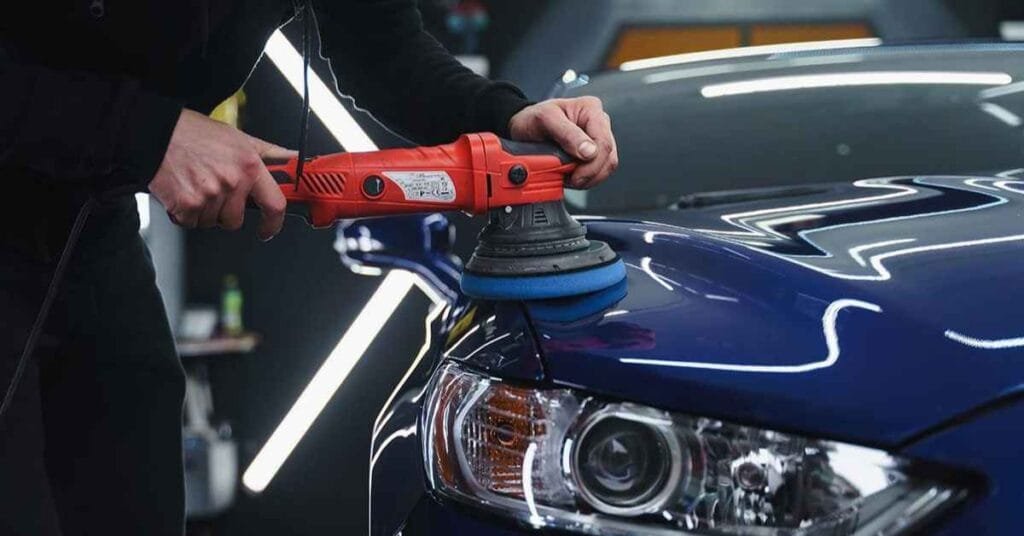
One of the most critical steps in detailing for classic cars is paint restoration. Over time, paint may fade, oxidize, or accumulate minor scratches. Professional detailers assess the vehicle’s surface and choose the right polishing and compounding methods. Correcting imperfections requires patience and precision, ensuring no harm to the original paintwork. Following restoration, a protective layer is applied, such as high-grade wax or ceramic coating, which shields the paint from UV rays, contaminants, and moisture. Regular maintenance, including gentle washing and touch-ups, keeps the finish shiny and smooth. Professional care prolongs the life of the car’s paint, maintaining both beauty and value for collectors.
Interior Detailing Techniques
The interior of a classic car deserves as much attention as the exterior. Professional detailers carefully clean upholstery, carpets, and dashboards using specialized tools and non-abrasive cleaners. Leather, vinyl, and fabric surfaces are conditioned to prevent cracking or fading. Attention is given to vents, panels, and hard-to-reach areas to ensure complete cleanliness. Detailers also remove odors caused by moisture, mold, or old materials using safe methods. Proper interior care protects materials and preserves authenticity, which is crucial for classic car enthusiasts. Including routine vacuuming and gentle cleaning helps maintain a vehicle’s value while creating a pleasant driving experience, reflecting a high standard of ownership and pride.
Engine and Mechanical Detailing
Detailing for classic cars is not limited to visual appeal; engine care plays a critical role. Experienced professionals clean engines carefully, removing grime and built-up grease without harming sensitive components. Fluids, belts, and hoses are checked, ensuring everything functions correctly and safely. Engine bays are polished to reflect meticulous attention, providing both aesthetics and mechanical reliability. This process prevents corrosion, prolongs the life of components, and ensures the vehicle operates efficiently. Owners benefit from knowing that routine inspections and detailing can prevent costly repairs. Combining mechanical maintenance with aesthetic care demonstrates a comprehensive approach to professional car care, keeping vintage vehicles running smoothly and looking flawless.
Wheel and Undercarriage Care
Proper wheel and undercarriage cleaning enhances both performance and appearance. Tires, rims, and brake components are treated with specialized cleaners to remove dirt, brake dust, and road grime. Undercarriage washing prevents rust and corrosion, especially in older vehicles exposed to weather elements. Professionals inspect suspension, brakes, and other underbody components while detailing. Attention to these often-overlooked areas preserves structural integrity and ensures long-term safety. Polishing wheels and applying protective coatings helps maintain shine and durability. This step complements exterior detailing, resulting in a complete restoration and maintenance process. Maintaining these areas is part of thorough classic car detailing, ensuring the vehicle remains both safe and visually impressive.
Additional Tips for Long-Term Maintenance
Preserving a classic car requires consistent attention, even after professional detailing. Owners should schedule routine washes, inspections, and touch-ups to prevent deterioration. Storing vehicles in climate-controlled environments reduces exposure to moisture, sunlight, and dust. Protective covers and floor mats minimize interior wear while safeguarding delicate finishes. Professional advice on cleaning products, polish types, and maintenance intervals is invaluable. Implementing these practices extends the life of paint, leather, and mechanical components. Combining expertise from detailing professionals with regular care creates a balance between aesthetic beauty and functional reliability. Following these guidelines ensures a classic car remains a source of pride, admiration, and lasting value for owners and collectors alike.
Conclusion
Professional detailing for classic cars is a meticulous process that enhances appearance, preserves originality, and protects long-term value. By combining paint restoration, interior care, engine detailing, and wheel maintenance, expert detailers deliver comprehensive results. Following these methods ensures a classic vehicle maintains its charm, reliability, and market value. Consistent maintenance, combined with professional advice, allows owners to enjoy their vehicles while protecting their investment. Enthusiasts who commit to proper care experience pride, satisfaction, and confidence in their cherished automobiles. Attention to detail and preservation techniques makes a tangible difference for every vintage car, making professional detailing an essential practice for collectors across the United States.
Frequently Asked Questions
How often should I detail a classic car?
Every 3–6 months is ideal, depending on use and storage conditions. Regular detailing for classic cars helps prevent paint fading, dust buildup, and interior wear.
Can I detail my classic car myself?
Yes, but professional care ensures no damage to delicate finishes. DIY methods can help between sessions, but expert classic car detailing provides better results and protection.
Is interior detailing really necessary?
Absolutely, it prevents cracking, fading, and maintains original authenticity. Proper interior vintage car maintenance preserves leather, carpets, and dashboards for long-term value.
Should I use wax or ceramic coating?
Ceramic coatings provide longer-lasting protection and reduce maintenance frequency. They shield paint from UV rays, dirt, and environmental damage, enhancing professional car care routines.
How do professionals protect wheels and undercarriage?
They clean, polish, and apply protective coatings to prevent rust. Regular attention during car restoration tips ensures the vehicle’s structural integrity and extends longevity.